
"El mejor Elvis del mundo"

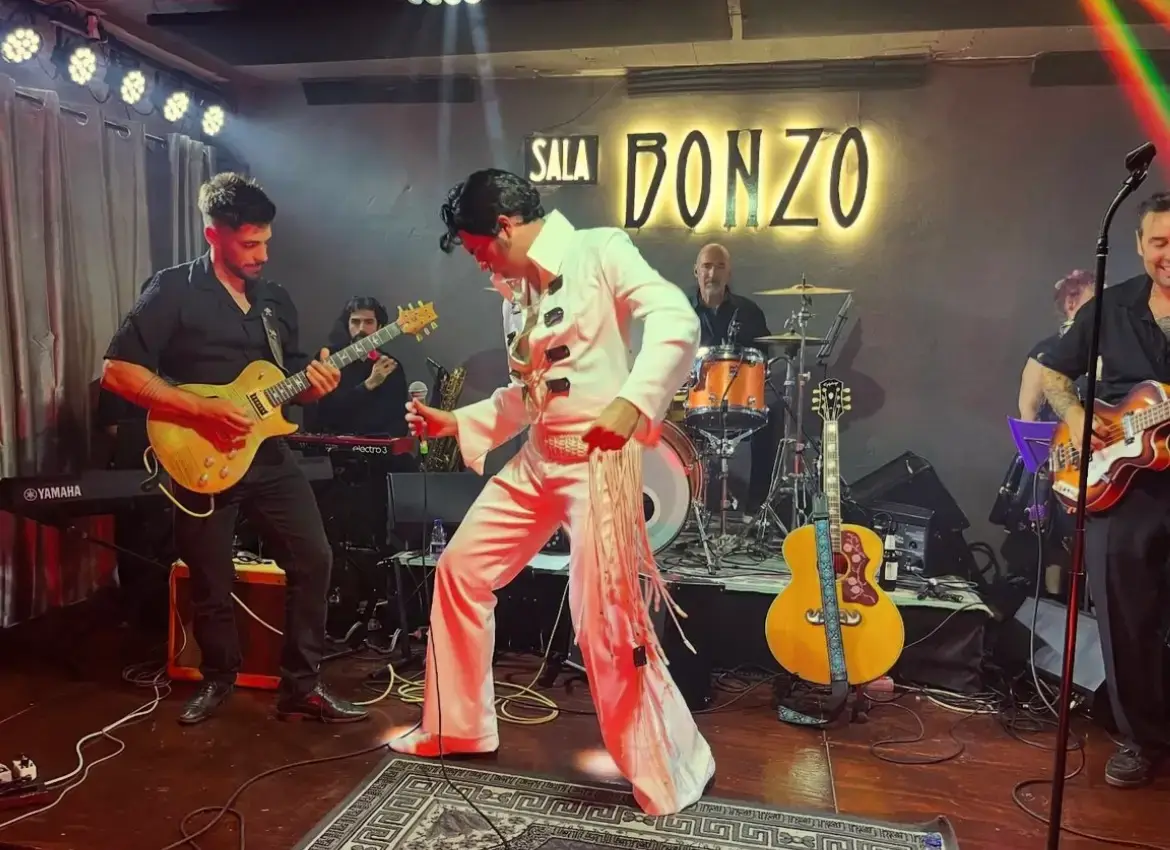
In recent years, tribute artists have been popping up all over the world, paying homage to one of the most iconic figures in music history—Elvis Presley. From Las Vegas to London, and now even in small towns across Spain, the “King” lives on through these performers. But one tribute artist has managed to outshine the rest. Meet Ángel David Castillo, also known by his stage name “Blue Angel,” a Spanish performer who recently won the coveted title of “Best Elvis in the World” at a competition in Wales.

The journey to becoming the top Elvis tribute artist isn’t an easy one. It’s not just about nailing the songs—it’s about embodying the charisma, style, and magic that made Elvis a global sensation. For Ángel, his road to success started six years ago, when he began performing with a tribute band, focusing primarily on Elvis’s Las Vegas years—the King’s most flamboyant and larger-than-life era. During that time, Ángel fine-tuned every aspect of his performance, from the hip-shaking dance moves to the unmistakable Elvis swagger.

Did you know that there are actually hundreds of Elvis festivals held around the world each year? One of the most famous, held in Porthcawl, Wales, draws thousands of fans and dozens of performers, all competing for the top prize. This festival is not just about great music; it’s a full-blown celebration of all things Elvis, with fans dressing up as the King and vendors selling everything from Elvis wigs to gold-rimmed sunglasses.

This year, the competition was fierce, with 36 other Elvis tribute artists from around the globe vying for the title. Ángel knew he had to stand out, so he focused on perfecting not just his vocals, but his stage presence—something Elvis himself was famous for. “You have to become Elvis,” Ángel once said. “It’s not just about singing the songs, it’s about making the audience feel the energy and excitement that Elvis brought to the stage.”

In the final round, Ángel delivered a stunning performance of two of Elvis’s biggest hits: Heartbreak Hotel and Lawdy, Miss Clawdy. These are no easy songs to perform. They require technical skill, emotional depth, and a connection with the audience that goes beyond the music. Ángel pulled it off brilliantly, captivating both the judges and the crowd.

What’s even more touching is the support Ángel received from his family. Many young artists struggle to get their parents on board, especially when pursuing something as niche as becoming a tribute artist. But Ángel’s parents always believed in him. They encouraged him from the start, helping him find gigs and build his career, proving that a little family support can go a long way.

Ángel’s victory in Wales is a testament to hard work, passion, and a deep love for Elvis’s legacy. While tribute artists may spend their careers in the shadow of the stars they admire, Ángel has carved out a unique place for himself. Through his performances, he’s not just honoring Elvis—he’s adding his own flair to the King’s ever-lasting legacy.

Exploring Spain’s Baguette Bonanza: A Delicious Dive into the World of ‘Barra de Pan

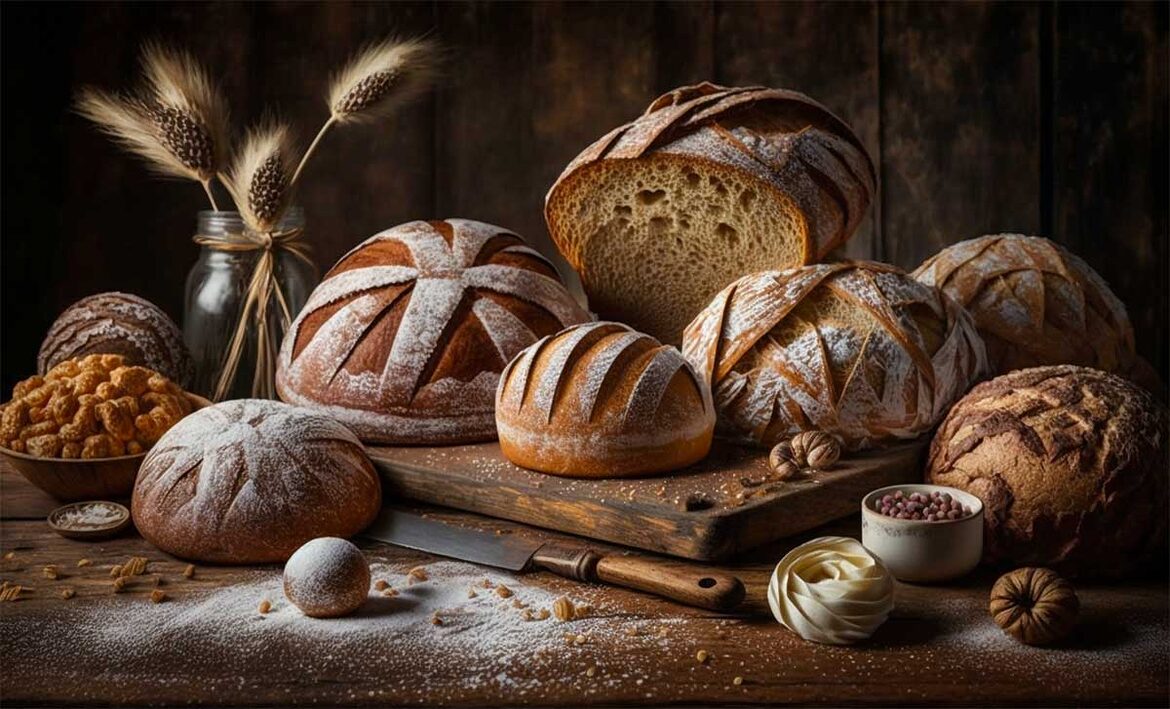
If you’ve ever walked into a bakery or the bread aisle in a supermarket in Spain, you might have noticed a dizzying variety of baguettes. They’re generally referred to as “barra de pan” in Spanish, though occasionally you’ll hear them called “pan francés.” Surprisingly, Spain might just boast more types of baguettes than even France, the country most famous for this iconic bread. Let’s dive into the delicious world of Spanish baguettes and discover what makes them so special.

In Spain, as in many Mediterranean countries, fresh bread is a daily staple. Whether it’s a traditional round loaf called “pan de país” or a more familiar-looking baguette, there’s no shortage of options to choose from. And when it comes to “barra de pan,” the selection is vast. Walk into any local bakery—or more accurately, bread shop—and you’ll likely encounter several intriguing varieties:

  • Barra de la Dehesa: Un pan único elaborado con una mezcla de harinas de trigo, soja y cebada, elaborado con masa madre e ingredientes 100% naturales. Este pan pasa por un proceso de doble fermentación para darle más sabor.
  • Barra Toscana: A salt-free bread, perfect for vegans and vegetarians. Its rustic, flour-dusted exterior gives it a Mediterranean charm, but be warned—it’s best eaten quickly as it has a shorter shelf life.
  • Baguette Gran Reserva: Una obra maestra de la panadería, con un 10% de masa madre, un tipo especial de harina conocida como "Harina del Cierzo" y un nivel de hidratación del 75%, lo que le confiere un sabor intenso y una vida útil impresionante.
  • Baguette del Horno: Straight from the oven, this baguette is known for its light crumb and crispy crust, and it’s another great option for vegans and vegetarians.
  • Tramontana: Este pan grande y muy crujiente es ideal para bocadillos grandes, gracias a su textura aireada y alveolada en el interior.
  • Ibérica: A rustic bread with a pointed finish and crunchy crust. It’s built to last, making it a popular choice for those who need their bread to stay fresh longer.

And that’s just scratching the surface! There’s also Barra Cantábrica, Bastón Cantábrico, Barra Rústica, and many others to explore. Each variety has its own unique flavor and texture, making the choice of which bread to buy both fun and a bit overwhelming.

So, how do you pick the perfect baguette? Often, it’s a matter of personal preference. Some key factors to consider include:

  • Forma: Fina o gruesa, puntiaguda o redondeada, ancha en el centro o esbelta en toda su longitud.
  • Acabado: ¿Artesano o rústico? ¿Con harina o con semillas? ¿Corteza dura y crujiente o interior blando y desmenuzable?
  • Composición de la masa: ¿Qué tipo de harina se ha utilizado? ¿Se elaboró con masa madre o levadura? ¿Cuánta agua se ha añadido?
  • Características especiales: Larga conservación, sin gluten, doble fermentación o una textura especial de panal.

But here’s a surprising fact: most of the “barras de pan” you’ll find in Spain aren’t actually baked fresh in-store. Instead, these bread shops, called “despachos de pan,” typically get frozen dough from factories. The staff then finishes baking them in the store, a process that involves thawing the bread for 20 minutes at room temperature, followed by another 20 minutes in the oven at 210°C. Authentic bakers, known as “panaderos,” who craft bread from scratch are becoming increasingly rare in Spain.

As for the origin of the baguette, the French name “baguette” means “little stick.” But did you know that this bread actually has roots in Austria? In the 19th century, Viennese bakers introduced the method of steam-baking, which gave birth to the crusty baguette we know today. Despite its French reputation, the baguette is a global bread with various forms and interpretations.

In France, baguettes are considered so essential that they were added to UNESCO’s cultural heritage list in 2022. There are also various types of baguettes in France, such as the ultra-thin “Ficelle” and the rustic “Campagne.” The standard baguette weighs 250 grams and has a short production time in most places—except in traditional French bakeries where it takes 60 hours for the dough to develop its full flavor.

Baguettes are the perfect blend of simplicity and history, but did you know they’re actually healthier than croissants? Still, despite their relatively low-calorie count, they’re packed with salt, so they’re not the healthiest bread option. Whole-grain baguettes, on the other hand, offer more fiber, iron, and B vitamins, making them a more nutritious choice.

Want to keep your baguette fresh? Don’t store it in the fridge! A baguette will dry out faster in the cold. Instead, keep it in a sealed plastic bag for up to two days, though the crust may soften. For longer storage, freeze it and reheat in the oven for a deliciously crispy crust. Pro tip: sprinkle the bread with a bit of water before putting it in a preheated oven (200°C) for five minutes to bring it back to its crunchy glory!

In Spain, bread is more than just food—it’s a beloved part of daily life. Whether you opt for a rustic, flour-dusted loaf or a crusty baguette, each type has its own charm, bringing tradition and flavor to every meal.

La Cala Resort gana los premios IAGTO

Amidst a landmark year, La Cala Resort is thrilled to announce its latest achievement: clinching the title of Spain’s Golf Resort of the Year 2024 at the esteemed IAGTO Awards!

Establecidos en 2000, los Premios IAGTO, que cuentan con 660 miembros, reconocieron a La Cala Resort por su inquebrantable dedicación a la excelencia en el servicio en campos de golf, resorts y destinos.

Sean Corte-Real, La Cala Resort’s General Manager, expressed profound gratitude for this prestigious honor, especially as the resort celebrates its 35th anniversary. He credited the support of FBD Hotels & Resorts, the visionary owner, for playing a pivotal role in their success. This accolade reaffirms their steadfast commitment to providing unparalleled golf experiences on the Costa del Sol.

Situated amidst the picturesque landscape between mountains and sea, La Cala beckons guests to explore the charm of Andalucia. Just a brief 30-minute drive from Malaga airport and popular destinations like Marbella and Málaga, the resort boasts a 107-bedroom hotel and a diverse real estate portfolio. With three championship golf courses designed by Cabell Robinson, a luxurious spa, and locally-inspired dining options including the recently revamped La BodegaLa Cala promete un retiro holístico.

Pero más allá de sus atributos físicos, el complejo debe su éxito a su entregado equipo, cuya pasión y profesionalidad garantizan experiencias excepcionales a los huéspedes. En La Cala, los bienes inmuebles van más allá de las meras propiedades; fomentan una comunidad vibrante en la que residentes y huéspedes participan en un estilo de vida que armoniza la autenticidad con la calidad de vida.

Con un clima propicio para un estilo de vida activo, La Cala atiende a los entusiastas del deporte con instalaciones como la Academia de Golf, con impresionantes vistas al Mediterráneo, instalaciones para deportes de raqueta, un estudio de fitness, gimnasio y un campo de fútbol estándar de la FIFA. Defendiendo el turismo sostenible, La Cala personifica la fusión de golf y naturaleza, ofreciendo un estilo de vida impregnado de un auténtico sentido de pertenencia.

Málaga Leads the Charge in Autonomous Air Taxi Development

Can you imagine traveling from Málaga to Marbella in just 15 minutes using an autonomous air taxi? It may sound like something out of a Jules Verne science fiction novel, but this could become a reality in a few years with the use of passenger drones. In this futuristic scenario, the Málaga airport is leading the way in advancing new air mobility technologies in Spain.

The state-owned company Enaire, which manages air navigation in Spain, along with its subsidiary Crida, sought an airport to test this new technology. Málaga was immediately interested, according to Raúl Delgado, head of the control tower, who is a pioneer in this field and other areas of aviation research. “We have a team that loves aviation, and we aim to propel the city forward to a position befitting Málaga. The city is a focal point; it is Enaire’s benchmark in Spain for such technology.” Test flights are set to begin by mid-2025, initially with a pilot, though the intention is for them to eventually operate autonomously.

Dos proyectos

The air traffic controllers in Málaga are involved in two leading projects in Europe. The first, known as the Ensure project, researches the safe coexistence of traditional and new air navigation. It develops procedures, legislation, and technology to facilitate the coexistence of drones and airplanes.

El segundo proyecto, OperA, explora cómo puede conectarse el aeropuerto con la movilidad a bordo de los aviones en los centros urbanos, prácticamente de puerta a puerta, garantizando la coexistencia segura de ambos sistemas.

Paseos urbanos

Para el transporte urbano se utilizarán vehículos 100% eléctricos capaces de despegar y aterrizar verticalmente. Inicialmente pilotados, el plan es que sean autónomos a medio plazo. El objetivo, subraya el experto, es que esta nueva movilidad aérea urbana sea accesible, "no sólo para los ricos".

El proyecto OperA también incluye la construcción de un "vertipuerto" en el aeropuerto, similar a un helipuerto para drones. También se crearán estaciones de carga eléctrica de alta potencia. Se está estudiando la posibilidad de una terminal adyacente o el uso de terminales existentes, y Aena, responsable del territorio, está buscando posibles ubicaciones.

Escenario futuro con transporte de drones

“The passenger arrives at Málaga airport from London, passes through the ‘vertiport’ area, and boards a drone that can take him to Granada or Marbella, as well as to his hotel in the city center or his home in the countryside. The flight from Málaga to Marbella using this unmanned air taxi will take between 15 and 20 minutes; to Granada about 50 minutes.

Test Route between Málaga and Granada

The initial test operations will take place between Málaga and Granada, expected to commence in the second half of 2025. The corridors for these operations are already being designed to be compatible with traditional flight routes.

En tres o cuatro años, los pasajeros podrían empezar a embarcar en el servicio de taxi aéreo no tripulado. El marco normativo en la UE avanza rápidamente, pues la demanda y la tecnología ya existen. Además, hay un gran interés de las empresas por un servicio de taxi aéreo no tripulado.

Málaga is a particularly intriguing point for future air taxi operators, mainly because of its potential connections to the Costa del Sol, where there is currently a notable lack of mobility.

Explorando el Pitufo, pero ¿qué es?

The title of this article might leave many readers puzzled about its subject, possibly even those from the Netherlands or Belgium residing near Málaga who might have heard of it but don’t quite grasp what it entails. Let’s delve into the concept of the ‘pitufo’—a staple at Málaga bars and a typical Malagueño breakfast.

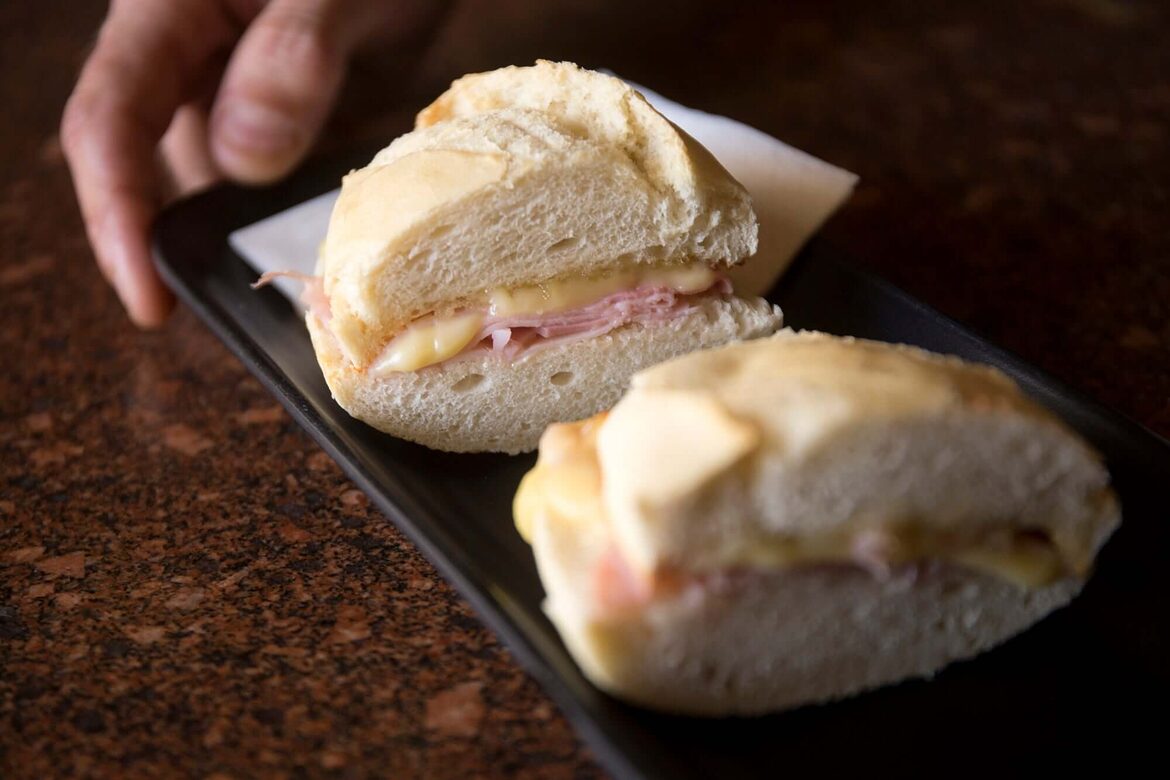
‘Pitufo’ literally translates to ‘smurf’, those tiny blue creatures with white hats familiar from cartoons. However, in Málaga, ‘pitufo’ has an additional, appetizing meaning: a small, delightful bread roll typically enjoyed at breakfast in local bars.

A common phrase heard in these bars is: “Ponme un pitufo mixto y un mitad,” to which the waiter replies, “¡Marchando!” This translates to a request for a small bread roll filled with ham and melted cheese, sliced in half. Contrary to the belief that pitufos have been around for centuries, this tradition only started about 35 years ago.

En 1964, el panadero Mateo Luque decidió crear un panecillo más pequeño para los niños, ya que en aquella época sólo había panecillos más grandes. También quería que este panecillo más pequeño fuera más blando, para que fuera más fácil de comer en el desayuno. Esta creación se conoció como "bollito de viena", o la versión más pequeña del panecillo de viena.

El nombre de "pitufo" se acuñó por casualidad en 1983, a raíz de la emisión en TVE de los populares dibujos animados de Los Pitufos. La popularidad de los dibujos animados entre los niños llevó a promocionar estos bollitos de viena como "panecillos pequeños", y el nombre de pitufo se impuso rápidamente, llegando a calar entre los adultos, que empezaron a pedirlos en los bares.

Other bakers copied Luque’s creation, leading to the pitufo’s rise as a morning ritual for many in Málaga. The classic bar pitufo includes the small roll with smoked ham (‘jamón york’ in Spanish) and melted cheese, usually served halved. Additionally, numerous variations of the pitufo can now be found in Málaga’s bars.

Destacados

Mijas acoge la Gran Fiesta de la Sardina en la Costa del Sol

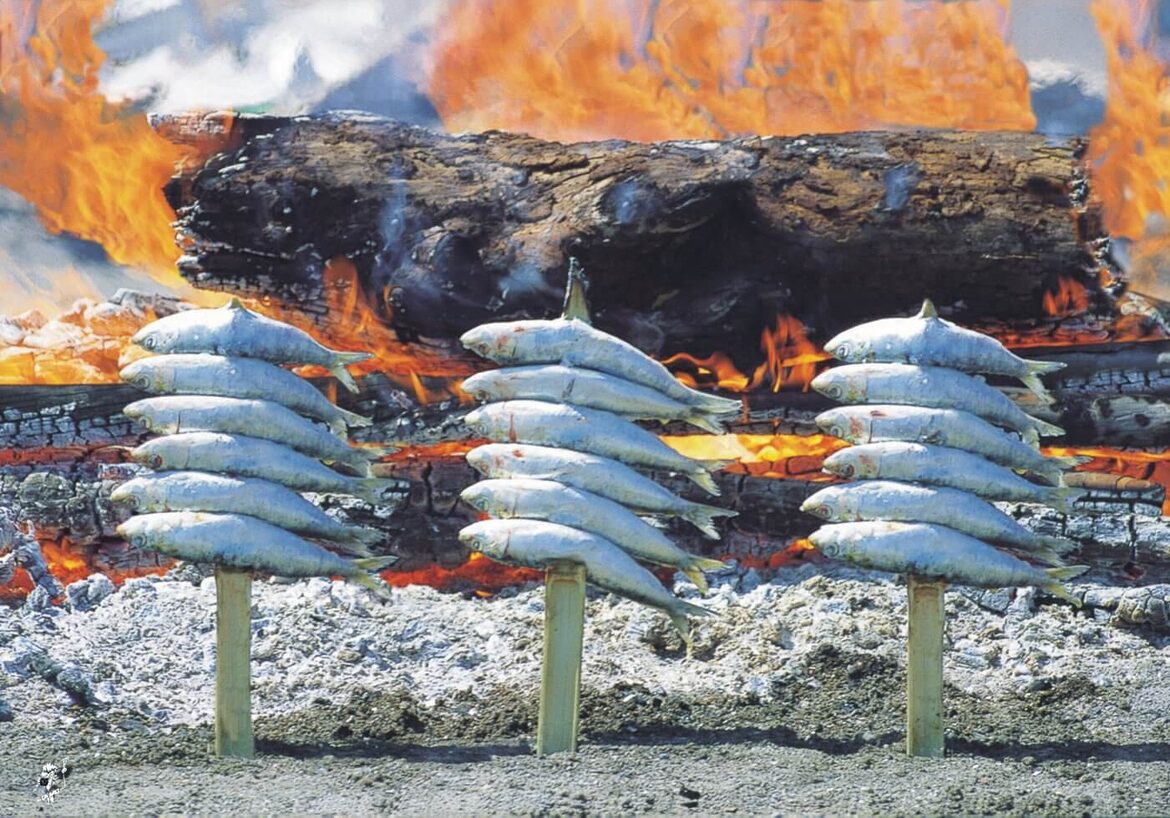
On May 1st, International Labor Day, the city of Mijas on the Costa del Sol will host a unique culinary festival. An impressive 700 kilograms of sardines will be served up in the form of the coast’s most famous dish, ‘espetos de sardinas’. Known as the ‘sardinada’, this event will take place in La Cala de Mijas.

Continuar leyendo " Mijas acoge la Gran Fiesta de la Sardina en la Costa del Sol"