

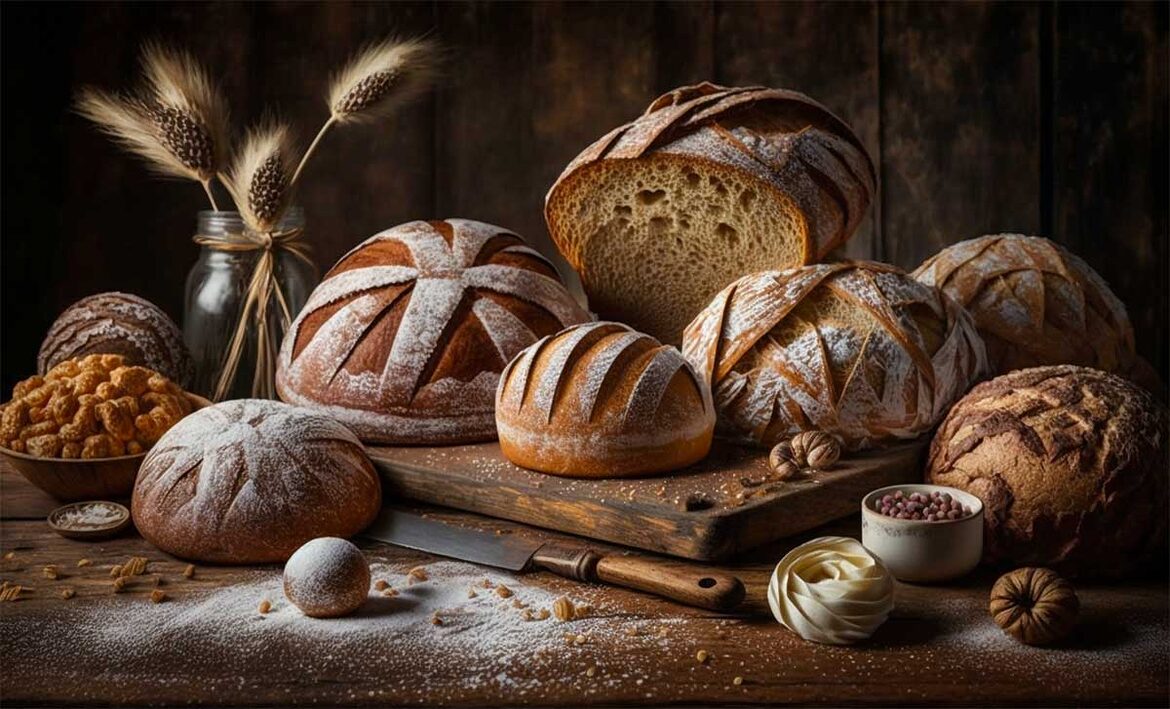
If you’ve ever walked into a bakery or the bread aisle in a supermarket in Spain, you might have noticed a dizzying variety of baguettes. They’re generally referred to as “barra de pan” in Spanish, though occasionally you’ll hear them called “pan francés.” Surprisingly, Spain might just boast more types of baguettes than even France, the country most famous for this iconic bread. Let’s dive into the delicious world of Spanish baguettes and discover what makes them so special.
In Spain, as in many Mediterranean countries, fresh bread is a daily staple. Whether it’s a traditional round loaf called “pan de paÃs” or a more familiar-looking baguette, there’s no shortage of options to choose from. And when it comes to “barra de pan,” the selection is vast. Walk into any local bakery—or more accurately, bread shop—and you’ll likely encounter several intriguing varieties:
- Barra de la Dehesa: A unique bread made from a mix of wheat, soy, and barley flour, crafted with sourdough and 100% natural ingredients. This bread goes through a double fermentation process for extra flavor.
- Barra Toscana: A salt-free bread, perfect for vegans and vegetarians. Its rustic, flour-dusted exterior gives it a Mediterranean charm, but be warned—it’s best eaten quickly as it has a shorter shelf life.
- Baguette Gran Reserva: A full-baked masterpiece, this bread boasts 10% sourdough, a special type of flour known as “Harina del Cierzo,” and a 75% hydration level, giving it an intense flavor and impressive shelf life.
- Baguette del Horno: Straight from the oven, this baguette is known for its light crumb and crispy crust, and it’s another great option for vegans and vegetarians.
- Tramontana: This large, extra-crispy bread is ideal for hefty sandwiches, thanks to its airy, honeycomb-like texture inside.
- Ibérica: A rustic bread with a pointed finish and crunchy crust. It’s built to last, making it a popular choice for those who need their bread to stay fresh longer.
And that’s just scratching the surface! There’s also Barra Cantábrica, Bastón Cantábrico, Barra Rústica, and many others to explore. Each variety has its own unique flavor and texture, making the choice of which bread to buy both fun and a bit overwhelming.
So, how do you pick the perfect baguette? Often, it’s a matter of personal preference. Some key factors to consider include:
- Shape: Thin or thick, pointed or rounded, wide in the middle or slender throughout.
- Finish: Artisan or rustic? Flour-dusted or topped with seeds? Hard and crispy crust or soft and crumbly inside?
- Dough composition: What type of flour was used? Was it made with sourdough or yeast? How much water was added?
- Special features: Long shelf life, gluten-free, double-fermentation, or a special honeycomb texture.
But here’s a surprising fact: most of the “barras de pan” you’ll find in Spain aren’t actually baked fresh in-store. Instead, these bread shops, called “despachos de pan,” typically get frozen dough from factories. The staff then finishes baking them in the store, a process that involves thawing the bread for 20 minutes at room temperature, followed by another 20 minutes in the oven at 210°C. Authentic bakers, known as “panaderos,” who craft bread from scratch are becoming increasingly rare in Spain.
As for the origin of the baguette, the French name “baguette” means “little stick.†But did you know that this bread actually has roots in Austria? In the 19th century, Viennese bakers introduced the method of steam-baking, which gave birth to the crusty baguette we know today. Despite its French reputation, the baguette is a global bread with various forms and interpretations.
In France, baguettes are considered so essential that they were added to UNESCO’s cultural heritage list in 2022. There are also various types of baguettes in France, such as the ultra-thin “Ficelle” and the rustic “Campagne.” The standard baguette weighs 250 grams and has a short production time in most places—except in traditional French bakeries where it takes 60 hours for the dough to develop its full flavor.
Baguettes are the perfect blend of simplicity and history, but did you know they’re actually healthier than croissants? Still, despite their relatively low-calorie count, they’re packed with salt, so they’re not the healthiest bread option. Whole-grain baguettes, on the other hand, offer more fiber, iron, and B vitamins, making them a more nutritious choice.
Want to keep your baguette fresh? Don’t store it in the fridge! A baguette will dry out faster in the cold. Instead, keep it in a sealed plastic bag for up to two days, though the crust may soften. For longer storage, freeze it and reheat in the oven for a deliciously crispy crust. Pro tip: sprinkle the bread with a bit of water before putting it in a preheated oven (200°C) for five minutes to bring it back to its crunchy glory!
In Spain, bread is more than just food—it’s a beloved part of daily life. Whether you opt for a rustic, flour-dusted loaf or a crusty baguette, each type has its own charm, bringing tradition and flavor to every meal.